

Pregnancy Skincare: What's Safe, What's Not, and What Actually Works
By Najooka Javier
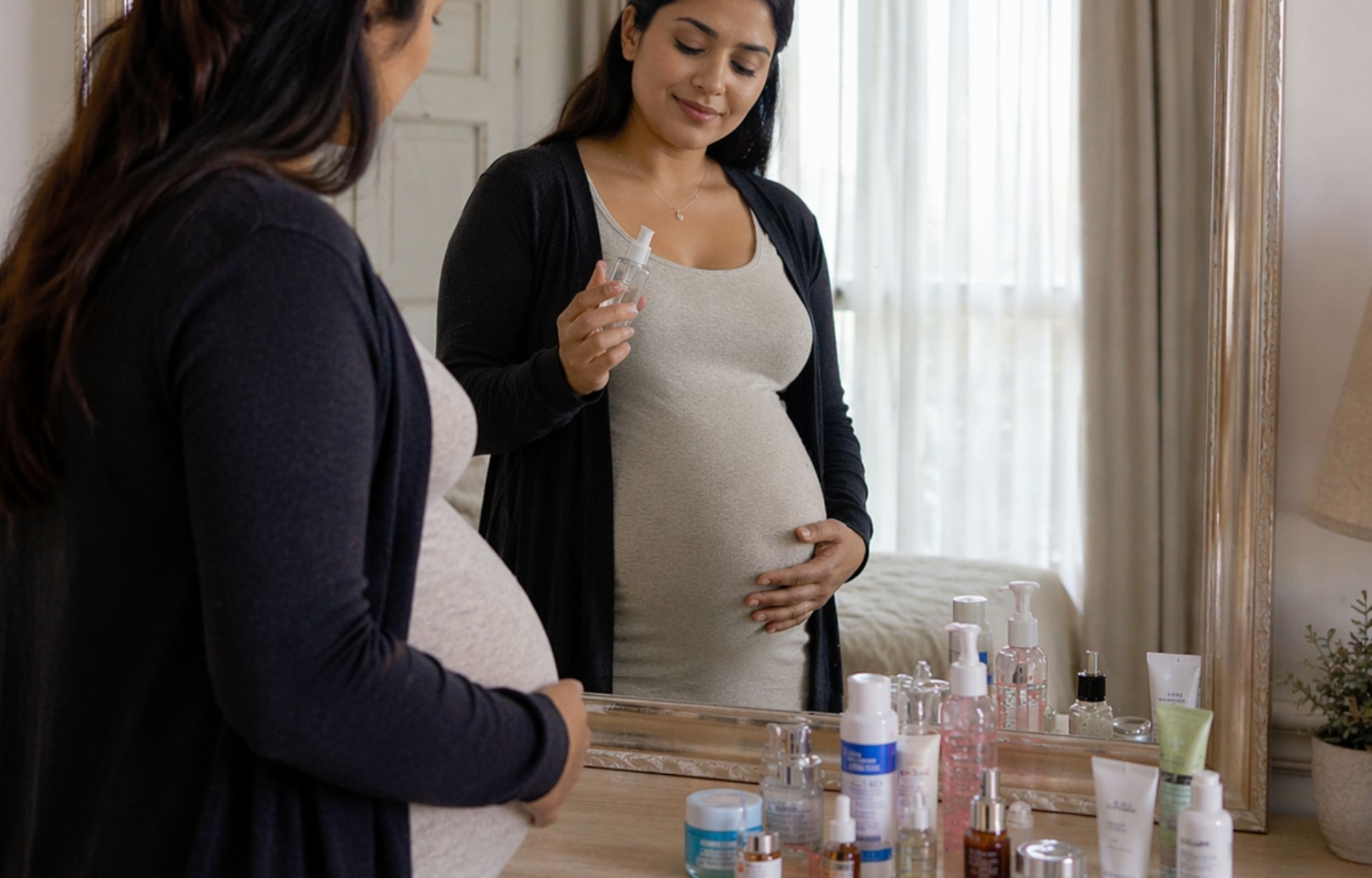
Pregnancy changes everything, including your skin. Suddenly your face is breaking out like a teenager, or your belly feels stretched and dry, or those dark patches show up around your cheeks and forehead. It's a lot to deal with when you are already tired and navigating a hundred other things.
The good news: most skincare concerns during pregnancy are completely normal. The tricky part is figuring out what's safe to use, because some ingredients that are totally fine otherwise are a no-go when you're expecting. This guide keeps it simple.
Why does your skin behave differently during pregnancy
Hormones are doing most of the heavy lifting here. Higher levels of estrogen and progesterone affect how much oil your skin produces, how it holds water, and how sensitive it becomes. This is why some women get that "pregnancy glow", and others get breakouts, dryness, or a condition called melasma (dark patches on the face).
Your skin is also more absorbent when you're pregnant, which is exactly why what you put on it matters more than usual.
Ingredients to avoid during pregnancy
Most of these ingredients aren't definitively proven to harm a pregnancy, but the potential consequences if they do (birth defects, disrupted fetal development, hormonal interference) are serious and often irreversible. Since safety data is limited and pregnancy-safe alternatives exist, the cautious choice is to avoid them for nine months rather than gamble on outcomes that can't be undone.
Avoid
- Retinoids (retinol, tretinoin)
- Salicylic acid (in high doses)
- Hydroquinone
- Formaldehyde
- Chemical sunscreens with oxybenzone
- Essential oils in high concentration
- Benzoyl peroxide (high %, consult doctor)
Generally safe: These ingredients are generally considered safe because they're either naturally present in the body, poorly absorbed through the skin, or have a long track record of use without evidence of harm to fetal development. They tend to work on the skin's surface rather than entering the bloodstream in meaningful amounts, which keeps the risk to the pregnancy low even with regular use.
- Hyaluronic acid
- Glycerin
- Vitamin C (L-ascorbic acid)
- Niacinamide
- Zinc oxide (mineral sunscreen)
- Aloe vera
- Shea butter
- Cocoa butter
- Coconut oil (topical use)
Quick rule of thumb: If an ingredient is designed to go deep into your skin and change something at a cellular level, like retinoids or high-dose acids, it's worth double-checking. When in doubt, ask your OB or dermatologist before adding anything new.
Real research and advice, always beats Instagram advice.
Skincare during pregnancy, concern by concern
Stretch marks: These are caused by the skin stretching faster than it can keep up. No cream can fully prevent them (genetics plays a big role) but keeping skin well-moisturized helps with elasticity and can reduce itchiness. Look for products with shea butter, cocoa butter, or hyaluronic acid. Simple coconut oil also helps in reducing their appearance. Applying after a shower while skin is still slightly damp works best.
Breakouts: Hormonal acne is common, especially in the first trimester. Gentle cleansers with mild ingredients work better here than strong acne treatments. Niacinamide (at 5–10%) is a safe option that helps calm inflammation without being harsh.
Melasma (dark patches): This is one of the harder ones to treat safely during pregnancy since hydroquinone (the most common treatment) is on the avoid list. Vitamin C serums and daily SPF use are the two things that can help prevent it from getting worse. Mineral sunscreens with zinc oxide are your safest bet here. And remember, pregnancy is temporary. It's worth putting stronger treatments on pause for now and circling back to them after delivery. Safety first, glow-up later.
Dryness and itching: Very common, especially on the belly. Keep it simple: fragrance-free moisturizers, short lukewarm showers instead of long hot ones, and applying moisturizer immediately after.
Simple, safe home habits (not recipes)
You'll see a lot of DIY skincare recipes online, honey masks, turmeric pastes, oatmeal scrubs. Some are fine; some carry risks (like infections from contaminated ingredients, or reactions to high concentrations of natural compounds). A few safe habits that don't require mixing anything:
- Drink more water than you think you need. Hydration shows up on your skin. There is no product shortcut for this.
- Use plain aloe vera gel (from the plant or a product with no added fragrance) on inflamed or itchy areas. It's well-tolerated and genuinely soothing.
- Apply coconut oil or shea butter after a shower for dryness. These are low-risk, widely used during pregnancy, and effective as basic moisturizers.
- Use sunscreen every single day: This is the single most effective thing you can do for both melasma and overall skin health during pregnancy. Mineral options with zinc oxide are the safest choice.
- Fewer products, not more. Pregnancy is not the time to test new actives or build complex routines. A cleanser, moisturizer, and SPF are enough for most people.
The bottom line
Your skin is doing something remarkable right now, and so is your body. Most pregnancy skin concerns are temporary and manageable with simple, gentle care. The goal isn't a complicated routine. It's avoiding the ingredients that carry risk, keeping skin hydrated, and not stressing about the rest.
If something is persistent or getting worse, your OB or a dermatologist is the right person to ask, not just a label or an online thread.
