Pregnancy Health
NICU 101: How Healthy Pregnancies Support Healthy Babies
4 min read
By Amy Agarwal, MA
Medical Reviewer(s): Melissa Walsh, MD
Welcoming a new baby to the world is one of life’s most exciting moments for a family. But sometimes, babies are born with health issues, and the first month of life is hardest. When babies leave the safety of the womb, they have to adjust to the outside world, and that can be harder for some babies than others. Neonatal intensive care units (NICUs) play an important role in helping and healing babies who are born with serious health issues. However, the number of babies needing NICU support has been growing, and experts agree that this trend is troubling.
In the US today, about 1 in 10 babies have to stay in a NICU (CDC), and Black and Indigenous babies are most likely to need this care. The differences among these racial and ethnic communities are not random. They are connected to bigger issues like unequal access to quality antenatal care and healthy food, higher levels of ongoing stress, and unfair treatment within the healthcare system. If you’ve faced any of these challenges, you are not alone—and it is not your fault. The good news is that your baby’s health is tied closely to your health. So, keeping you healthy can help keep your baby healthy, too.
What is a NICU?
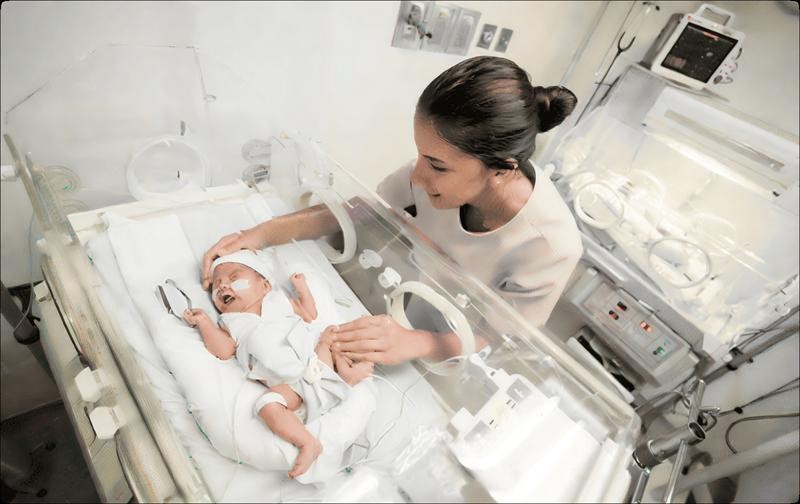
Neonatal intensive care units (NICUs), sometimes called intensive care nurseries (ICNs), are the places in hospitals and birthing facilities that provide care for babies born with health issues and babies who need a little extra help to grow strong and stay healthy. NICUs have special equipment and staff trained to monitor and care for these babies around the clock. Not all NICUs are the same. Some treat babies that are mostly healthy but may be at risk of getting sick; others also treat very sick babies, sometimes even operating on babies.
Are NICUs expensive?
While NICUs offer important, life-saving care, they can also be an emotional and financial challenge for families. The average NICU stay in the US is about 14 days. The cost of NICU care in the US ranges from $4,488 to $161,929, with an average cost of $71,158. Health insurance may pay for some of these costs, but the average out-of-pocket cost for families who have insurance is $4,969, mostly for deductibles and co-insurance. About 8% of babies placed in NICUs need to return within one month, and up to 38% return within one year. Beyond financial costs, parents may feel helpless and worry about whether their baby will survive, which can lead to anxiety, depression, and stress. Mental health conditions like anxiety and depression are common during pregnancy and for new parents—if you think you might have a mental health concern, talk to your healthcare provider.
What are the reasons that babies need NICU care?
Most NICU babies are premature or preterm (born before 37 weeks) or have a low birthweight (less than 5 pounds, 8 ounces). Babies born premature or with a low birthweight are more likely to have challenges with basic functions—like breathing, digesting, and controlling their body temperature. Other health conditions that can cause a baby to need NICU care include birth defects, breathing problems, infections, low blood sugar (hypoglycemia), jaundice, side effects from alcohol use, and withdrawal from drugs.
Do health complications during pregnancy cause NICU stays?
Your health before and during pregnancy plays a big role in your baby’s health. Common pregnancy issues that can lead to a NICU stay:
High blood pressure or preeclampsia: If you have high blood pressure or preeclampsia, your baby is at risk for being born prematurely or having a low birth weight.
Diabetes: Pre-existing or gestational diabetes puts your baby at risk of low blood sugar, trouble breathing, some birth defects, or becoming a large baby.
Infections: Some infections can pass to your baby or lead to your baby being born prematurely or with a low birth weight. Some—including some STIs, some reproductive tract infections, a severe flu, and the measles—can increase the chance of preterm birth.
Substance use: Using alcohol, tobacco, or drugs like opioids can lead to fetal alcohol spectrum disorder and neonatal abstinence syndrome.
Anemia: Severe anemia during pregnancy increases the risk of prematurity or low birth weight.
For many of these health issues, you might not notice any warning signs, which is why it is so important to attend your antenatal care visits and to get screened and tested. Complications during labor and delivery—such as a long labor, poor positioning, or umbilical cord issues—can also deprive your baby of oxygen.
Are there ways to prevent a NICU stay?
Many NICU stays can be avoided, or at least made shorter, by preventing and managing complications during pregnancy. Here are five things you can do:
Eat a healthy diet and stay active. When you eat healthy, your body is able to give your baby the nutrients they need. Your healthcare provider can help you figure out a healthy diet and safe exercises.
Avoid alcohol, tobacco, and drugs. These substances can pass to your baby and prevent them from growing and developing the way they need to.
Take care of your mental health. Anxiety, depression, and stress can affect your physical health and in turn your baby’s health. Share your feelings with your healthcare provider.
Attend all of your antenatal appointments. These visits let your provider monitor your health, run tests for common complications, and help you manage issues. Seeing your provider early (before 10 weeks) is also important.
Understand warning signs and seek help quickly. Common warning signs include: really bad headaches lasting more than a day; vision problems; persistent dizziness; severe stomach pain or vomiting; trouble breathing at rest; constant fatigue; high blood pressure (>140/90); rapid heartbeat; baby kicking less than 10 times in two hours; rapid weight gain; and swelling in your hands, feet, and/or face. Contact your healthcare provider immediately if you notice any of these.
How can BobiHealth help?
BobiHealth is an app that can help you keep track of your health at home. Unlike other pregnancy trackers that focus on only a few health signs, BobiHealth offers a broad range of tools. A few vital signs you can track that could signal a health issue:
Blood oxygen levels: Low levels can be a warning that you are anemic or have preeclampsia.
Blood pressure: High blood pressure (>140/90) can lead to preeclampsia.
Fetal kicks: Once you are 28 weeks pregnant, if your baby kicks less than 10 times in two hours, they may be in distress.
Pulse: A racing or irregular heartbeat may signal anemia, an infection, low blood sugar or pressure, or dehydration.
Temperature: A fever (higher than 100.4°F or 38°C) may be a sign of an infection.
You can also track other symptoms like bleeding, pain, and mental health concerns, and pair the app with wearables. The app reminds you to track regularly and alerts you if it notices changes. Being able to track this information at home is particularly helpful if you cannot get to your healthcare provider easily—but it does not replace regular antenatal care visits. Use the app in addition to your regular appointments.
Help yourself stay healthy, for you and your baby.
NICUs are lifesaving resources for families that need them. But ideally, you want to prevent health issues that could lead to your baby needing a NICU stay. While sometimes a NICU stay is unavoidable, making healthy choices throughout your pregnancy can often help reduce the length of the stay. Download the BobiHealth app today to get started. Make pregnancy health easier for you, so your baby can have a healthy start to life.
Useful Terms
To explore more definitions of medical terminology that may come up during your care, check out the comprehensive BobiHealth Glossary.
Anemia: happens when there are not enough red blood cells or they do not have enough protein to give the body the oxygen it needs.
Birth defect (congenital anomalies): happen when the baby’s organs and systems do not develop the way they should.
Diabetes (pre-existing and gestational): occurs when your body does not process sugar the right way.
Fetal alcohol spectrum disorder (FASD): caused by alcohol passing to your baby, affecting how the brain develops.
High blood pressure, hypertension: happens when your blood pushes too hard against the walls of your blood vessels.
Hypoglycemia (low blood sugar): when the amount of blood sugar you have is too low.
Jaundice: when the baby’s liver is not developed enough to remove bilirubin, causing the eyes and skin to look yellow.
Low birth weight: babies born weighing less than 5 pounds, 8 ounces (2.5 kg).
Neonatal abstinence syndrome (NAS): when a baby goes into withdrawal after being exposed to drugs during pregnancy.
NICUs: special areas in a hospital or birthing center that provide extra care for newborns with serious health conditions.
Preeclampsia: Preeclampsia is a health condition that can happen during pregnancy and up to 6 weeks postpartum. Preeclampsia happens when your blood pressure is too high and can lead to dangerous complications. Read our blog, What You Need to Know About Preeclampsia, to learn more.
Preterm birth: a birth before the 37th week of pregnancy.
Umbilical cord: the tube-like organ that connects the placenta to the baby and carries oxygen and nutrients.