Pregnancy Health
How to Prepare for Breastfeeding Before Your Baby Arrives
3 min read
By Amy Agarwal, MA. Medical Reviewer: Katie Camplen, MSN
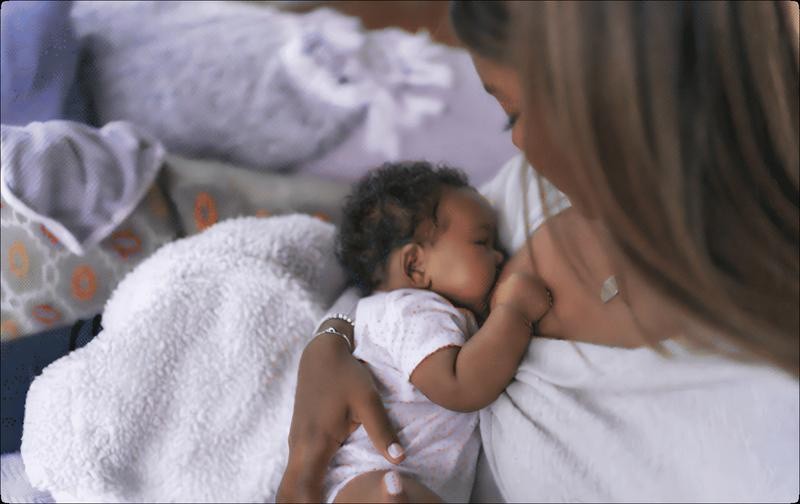
Experts recommend exclusive breastfeeding, which means feeding the baby only breast milk for the first six months. After that, they recommend complementary breastfeeding, which means continuing to breastfeed while also giving the baby other food until the baby is up to two years old. Breastfeeding has many benefits, but it's not always easy. This blog will help you get ready for a good breastfeeding experience.
What is Breastfeeding?
Breastfeeding has many benefits for both babies and parents. Here are some benefits, as stated by the American College of Obstetricians and Gynecologists.
Breastfeeding Is Good for Babies
Healthy food helps baby grow: Breast milk has all the important nutrients that your baby needs to grow, like fats, proteins, and sugars. Breast milk also changes over time to give your baby what they need as they grow.
Fights sickness, now and later: Breast milk has special proteins called antibodies that help protect your baby from common sicknesses like ear infections, tummy troubles, and breathing problems. Breastfeeding can also lower the chance of your baby getting sick later in life with issues like allergies, asthma, and diabetes. It can even help lower the risk of sudden infant death syndrome (SIDS).
Easy to digest: Breast milk is easier for babies to digest than formula. This means breastfed babies are less likely to have tummy troubles like gas.
Promotes positive feelings and connection: The close contact your baby has with you while breastfeeding helps your baby feel safe and loved, creating a strong bond between the two of you.
Breastfeeding Is Good for Parents
Helps the body heal: When you breastfeed, your body releases a hormone that helps your uterus return to its normal size and can reduce bleeding after birth.
Helps with weight loss: Breastfeeding burns calories and can help you lose weight after having your baby.
Lowers cancer risk: Breastfeeding can help lower your risk of breast and ovarian cancers.
Promotes positive feelings and connection: Breastfeeding can make you feel proud and happy, and the close contact you have with your baby also helps you build a strong bond. When you breastfeed, your body releases a hormone that helps you feel calm and relaxed.*
*It is important to know that some people feel very sad or worried or even numb for a long time after they give birth. When this happens, it is called postpartum depression, and it is important to talk to your healthcare provider if you have these feelings, so they can help you. (National Institutes of Health)
You should also know that the more milk your body releases, either through breastfeeding or pumping, the more milk your body will produce in the future.
Why Is It Important to Prepare for Breastfeeding During Pregnancy?
Even though breastfeeding starts after your baby is born, it is good to prepare while you are pregnant. Most healthy babies are ready to breastfeed within an hour of being born and giving birth is hard work, so you'll be tired. Preparing before the birth of your baby can make breastfeeding at this important time easier.
What Are Some Ways to Prepare for Breastfeeding?
Learn All You Can
Explore books and websites: La Leche League USA and La Leche League International have lots of information and can help you find breastfeeding support groups in your area.
Attend classes: Hospitals, birthing centers, and lactation consultants often offer breastfeeding classes covering how your body makes milk, ways to help your baby latch, how to pump and store milk safely, and how to handle common problems like sore nipples or not making enough milk.
Find Out What Your Healthcare Provider and Hospital Can Offer
Talk to your healthcare provider: If you want to breastfeed, talk to your doctor during your pregnancy check-ups. They can give you advice, help you deal with problems after your baby is born, and suggest a lactation consultant.
Call or visit your hospital or birthing center: Ask how they help with breastfeeding after you give birth. Some places are officially called "baby-friendly" and allow your baby to stay in your room with you, which can make breastfeeding and bonding easier. Visit Baby-Friendly USA to find a baby-friendly facility near you.
Build Your Support Team
Talk to family and friends who can cheer you on. Join a support group of other breastfeeding parents. Find a lactation consultant — breastfeeding experts who can teach you and give advice before and after your baby is born. We recommend choosing one who is certified by the International Board of Lactation Consultant Examiners (IBLCE).
Get Your Supplies Ready
Nursing bras: cups that open, making it easy to breastfeed or pump.
Nursing pillows: help support your baby in the right position while feeding.
Nipple cream and nursing pads: help relieve sore nipples and prevent cracking or bleeding.
Nursing covers: provide privacy if you feel uncomfortable breastfeeding in front of others.
Pumping supplies: a breast pump, bottles or bags for storing milk, and cleaning supplies. Pumping gives you flexibility — you can feed your baby stored milk later, or have your partner feed them so you can have a break.
Does Everyone Have to Breastfeed?
Even though breastfeeding is recommended, it's not always possible or the best choice for everyone. Babies may have trouble latching or health issues; parents may have problems making enough milk, pain, or a health issue like HIV or tuberculosis. Work, personal choices, and culture can also play a role. If you want to breastfeed but are having problems, talk to your healthcare provider or a lactation consultant. If you cannot breastfeed or choose not to, formula feeding is a good option. What is most important is that your baby gets the food they need to grow and be healthy.
How Does BobiHealth Help New Parents with Breastfeeding?
BobiHealth is working on a new part of our app for new parents, for after the baby is born. This will include ways to track your baby's feedings, including when and how much they eat, and provide helpful information about feeding and nutrition for both breastfeeding and formula-feeding parents. You will also be able to easily share this information with your partner, family, or healthcare provider.
Learn More and Stay Updated
To learn about this and other new and upcoming features, visit our website, sign up for our newsletter, and follow us on social media. If you have an idea for a helpful tool, we would love for you to send us a message!
Useful Terms
To explore more definitions of medical terminology that may come up during your care, check out the comprehensive BobiHealth Glossary.
Breastfeeding: when a parent feeds their baby milk from their breast (also called nursing, chest-feeding, and body-feeding).
Breast pump: a machine that attaches to the nipple and creates a suckling motion to make milk come out.
Complementary breastfeeding: continuing to breastfeed while also giving the baby other food (recommended from six months to two years).
Exclusive breastfeeding: feeding the baby only breast milk (recommended for the first six months).
Lactation: the process in which your body produces and releases milk.
Latch: how your baby’s mouth attaches to your nipple so it can feed.
Postpartum depression: a common health problem where a person feels sad, worried, or numb after having a baby.
Sudden infant death syndrome (SIDS): the sudden and unexplained death of a baby, typically during sleep.
Uterus: the organ in your belly where your baby grows during pregnancy.